How to Choose Original Art for Your Home (Without Overthinking It)
A practical, no-pressure guide to picking original art for your home: sizing, color, placement and trusting your gut.
Read article →
We create abstract paintings, custom commissions and small-group workshops for people who want art that feels personal, not mass-produced.
Every piece is an original, painted by hand, signed, and shipped with a certificate of authenticity. Interested in a work you see here? Ask about availability.


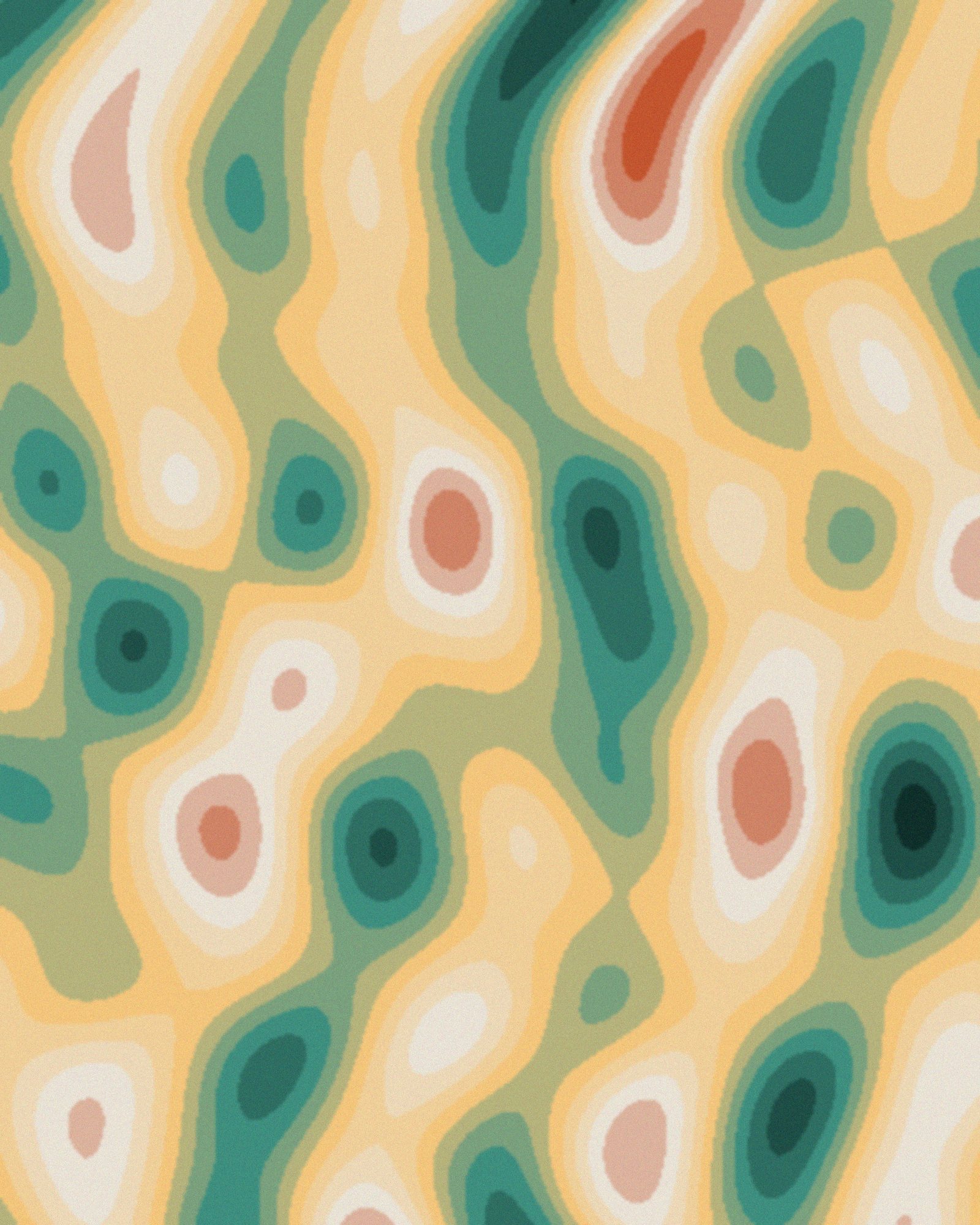
Eastcoast Art Studio is a small, independent studio devoted to contemporary abstract painting. We’re inspired by the shorelines, light and weather of the Atlantic coast, and we spend weeks (sometimes months) on a single canvas.
We believe original art shouldn’t feel out of reach. Whether you’re buying your first painting or adding to a long-loved collection, we’ll treat you like a guest, not a transaction.
Our StoryOne-of-a-kind abstract works in oil, acrylic and mixed media, ready to hang. Each piece ships insured within the continental U.S.
A painting created for your space, your palette and your story, with sketches, progress photos, and a clear written agreement.
Relaxed, small-group sessions on color, composition and abstract painting. No experience needed. Just curiosity.
A practical, no-pressure guide to picking original art for your home: sizing, color, placement and trusting your gut.
Read article →How to hang, clean, store and protect original oil and acrylic paintings so they look as good in twenty years as they do today.
Read article →A clear, step-by-step look at how commissioning a custom painting works at our studio, from the first conversation to delivery.
Read article →Tell us about your space. We’ll help you find the right piece or create one just for you.
We make original contemporary paintings inspired by the coast, the light, and the everyday moments that are easy to miss.
Eastcoast Art Studio began the way many studios do: with a spare room, a folding table, and more canvases than wall space. What started as weekend painting slowly turned into commissions for friends, then for friends of friends, and eventually into a full-time studio practice.
The name comes from the place that shaped our work most: the Atlantic shoreline, with its shifting tides, foggy mornings and endless variations of blue and gray. Even our most geometric pieces carry a bit of that coastal light.
Today, we create original paintings for homes, offices and hospitality spaces across the country, while keeping the studio intentionally small, so every piece still gets our full attention.

Most paintings begin as quick pencil sketches and small color studies on paper. Once a direction feels right, we move to canvas or panel and build the surface in many thin layers, adding, scraping back and repainting until the piece has real depth.
We use professional-grade, lightfast paints, archival grounds, and hand-stretched canvases. Finished works are varnished where appropriate to protect the surface for decades.
It’s slower than it needs to be, and that’s the point.
Every painting is made by hand in our studio. We don’t sell mass-produced prints dressed up as originals.
Sizes, materials, timelines and terms are spelled out in writing up front. No pressure, and no fine-print surprises.
Archival materials and careful craftsmanship mean your painting is made to be enjoyed for generations.
Questions about a painting, a commission, or an upcoming workshop? Send us a note and we’ll reply within two business days.
Practical guides for collectors, behind-the-scenes stories from the studio, and honest answers to the questions we hear most often.
A practical, no-pressure guide to picking original art for your home: sizing, color, placement and trusting your gut.
Read article →How to hang, clean, store and protect original oil and acrylic paintings so they look as good in twenty years as they do today.
Read article →A clear, step-by-step look at how commissioning a custom painting works at our studio, from the first conversation to delivery.
Read article →The story behind our newest body of work, a series of abstract paintings inspired by salt marshes, tides and coastal maps.
Read article →
Almost every week someone walks into the studio, stops in front of a painting, and says some version of the same thing: “I love it, but I have no idea if it would work in my place.” It’s a fair worry. Original art is a real purchase, and nobody wants to hang something that ends up looking lost over the sofa.
The good news is that choosing art is far less technical than people assume. After years of helping collectors (many of them buying their very first original piece), we’ve noticed that the same handful of questions sort out almost every decision. Here they are.
This sounds soft, but it’s the most practical advice we have. Color palettes change, furniture gets replaced, and you will probably move at least once in the next decade. The painting stays. If a piece makes you slow down every time you walk past it, that feeling is going to outlast your current couch.
A simple test: look at the work, then look away for a full minute. If you find yourself turning back to it, pay attention. If you’ve already forgotten it, it’s probably not the one.
The most common mistake we see is art that’s undersized for the wall. A small canvas floating above a long sofa tends to look like an afterthought. A few rules of thumb help:
Before you commit, cut a sheet of kraft paper or a few taped-together newspapers to the size of the painting and stick it to the wall with painter’s tape. Live with it for a day. It’s low-tech, and it works better than any app.
You don’t need a painting that matches your throw pillows. In fact, an exact match can make a room feel a little staged. Instead, look for one or two colors in the artwork that already appear somewhere in the room, even in small amounts: a rug, a wood tone, a plant. That quiet echo is what makes art feel like it belongs.
If your space is mostly neutral, this is your chance to bring in a confident color. A single saturated painting in a calm room does a lot of work.
Natural light is beautiful, but direct afternoon sun can fade pigments over time, especially in works on paper. If a wall gets hours of strong sun, consider an oil or acrylic on canvas rather than a watercolor or print, and keep an eye on it through the seasons. For evening, a simple picture light or a warm LED spotlight can transform a painting after dark.
People sometimes tell us they “don’t get” abstract art. That’s fine. There’s nothing to get. Abstract work tends to behave like music in a room: it sets a mood rather than telling a story. Representational work (a landscape, a still life, a figure) gives the eye something specific to rest on. Neither is better. Ask yourself whether you want the piece to set a tone or start a conversation.
The best collections aren’t planned. They’re a record of things the owner couldn’t stop thinking about.
You don’t need a theme or a strategy. Buy one piece you genuinely love, live with it for a while, and the next choice will become clearer. Over time, your walls start to tell a story about you, which is the whole point.
When you’re considering a piece from our studio, send us a straight-on photo of your wall with a tape measure or a known object for scale. We’re happy to give an honest opinion on whether the size and palette will work, and we’ll tell you if we think a different piece would suit the room better. You can reach us anytime through our contact page.
How to hang, clean, store and protect original oil and acrylic paintings so they look as good in twenty years as they do today.
Read article →A clear, step-by-step look at how commissioning a custom painting works at our studio, from the first conversation to delivery.
Read article →
An original painting is surprisingly tough. Oil and acrylic paintings made with good materials can last for generations. They do, however, appreciate a little common sense. Here’s what we tell every collector who takes a piece home from the studio.
Most paintings are happiest in the same conditions you are: moderate temperature, moderate humidity, and no extremes. A few places to avoid:
Use two hooks rated well above the painting’s weight. Two points of contact keep the piece level and spread the load.
Every few months, lightly dust the surface with a clean, soft, dry brush (a wide makeup brush or a soft hake brush works well). Work gently from top to bottom.
What not to do:
If a painting ever needs more than a dusting (a stain, a scuff, or a tear), contact a professional conservator. The American Institute for Conservation maintains a public directory that makes it easy to find one near you.
When moving a painting, hold it by the sides of the stretcher frame, never by the top edge or the wire. Skin oils can mark the surface, so wash your hands first or wear cotton or nitrile gloves. Carry it with the painted side facing you, so you can see where you’re going and avoid bumping corners.
If you’re moving, renovating, or rotating your collection, store paintings upright, never flat with anything on top of them. Wrap the front in glassine (an acid-free, smooth paper) rather than bubble wrap, which can leave impressions in the surface. Then add cardboard corners and a layer of bubble wrap outside the glassine. Keep stored art inside the climate-controlled part of your home, not in an attic, garage, or basement.
Most of our oil and acrylic paintings leave the studio with a removable protective varnish. That layer takes the brunt of dust and UV exposure and can be removed and replaced by a conservator decades from now without touching the paint underneath. It’s one reason well-made paintings age so gracefully.
Hold on to the certificate of authenticity, your receipt, and any notes about materials. Snap a few well-lit photos of the front and back of the piece. If you ever need to insure, appraise, or pass the work on, that record makes everything simpler.
Have a question about a piece you bought from us? Just get in touch. We’re always glad to help, even years after the fact.
A practical, no-pressure guide to picking original art for your home: sizing, color, placement and trusting your gut.
Read article →A clear, step-by-step look at how commissioning a custom painting works at our studio, from the first conversation to delivery.
Read article →
Commissioning a painting can feel intimidating if you’ve never done it. People worry they need to know art terminology, or that they’ll be locked into something they don’t end up loving. In reality, a good commission is a conversation. Here’s exactly how ours work, start to finish.
It starts with a simple message through our contact form or an email. Tell us a bit about the space, the size you have in mind, and anything that drew you to our work. You don’t need a finished idea. Some of our favorite pieces began with a sentence like “something that feels like the beach at 7 a.m. in October.”
We’ll follow up with a few questions, and if it’s helpful, schedule a short phone or video call.
If the painting is for a particular wall, we’ll ask for:
This is often the most useful step. Seeing someone’s home tells us a great deal about the light, the scale, and the mood they’re hoping for.
Next, we send a written proposal that spells out the size, medium, color direction, timeline, price, deposit, and shipping or delivery details. Everything is agreed in writing before any paint touches the canvas. There are no surprise fees later.
Once you approve the proposal, we create a small set of thumbnail sketches and a color study. This is where you can steer: warmer, quieter, more contrast, less blue. It’s much easier to adjust the direction here than once the full canvas is underway.
Most commissions take between four and eight weeks of studio time, depending on size and medium. Oil paintings also need time to dry before they can be varnished and shipped. We send progress photos at key stages, so you’re never left wondering how it’s going.
We’d rather share an honest work-in-progress photo than a polished surprise at the end.
When the painting is finished, you’ll receive detailed photos in natural light. Your proposal will include a round of reasonable refinements at this stage. Small adjustments to color or emphasis are part of the process.
Finished paintings are signed, varnished where appropriate, wired for hanging, and packed by hand in protective materials. Each one ships with a certificate of authenticity and care instructions. We ship within the continental United States using insured, trackable services.
Thinking about a commission? Send us a note. There’s no obligation, and we’re happy to talk through ideas even if you’re just exploring.
A practical, no-pressure guide to picking original art for your home: sizing, color, placement and trusting your gut.
Read article →How to hang, clean, store and protect original oil and acrylic paintings so they look as good in twenty years as they do today.
Read article →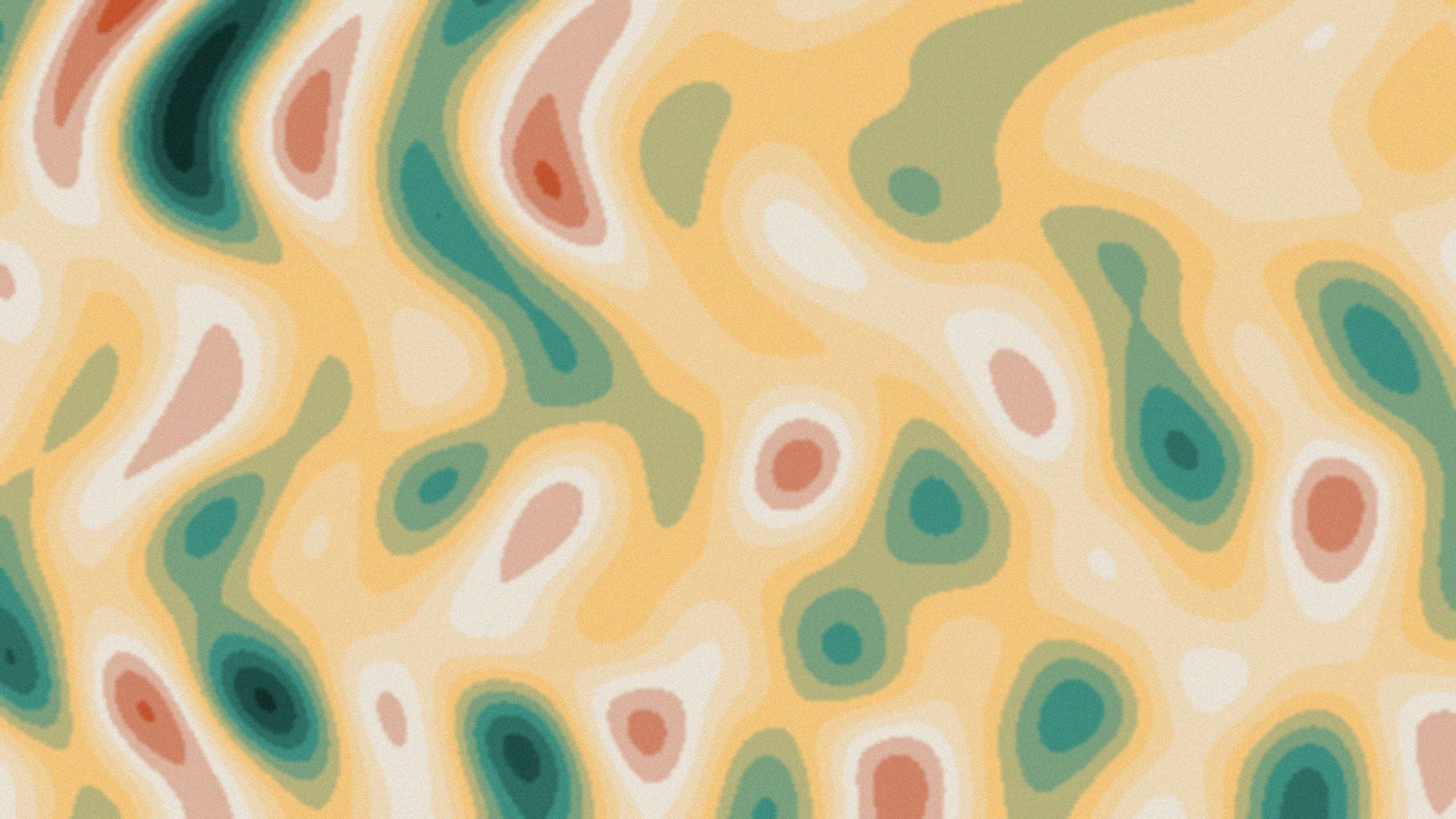
Every series starts with a small obsession. For our newest body of work, it was a stack of old nautical charts and a long summer spent walking the salt marshes along the Atlantic coast at low tide.
Salt marshes are strange, beautiful places. Twice a day the water slides in and out, and the land you were standing on an hour ago turns into a shallow mirror. The channels that carve through the grass look almost exactly like the contour lines on a map, which is what first caught our attention.
We started sketching those curves on location, then back in the studio began layering them, letting them drift and overlap the way the tide does. The result is a series of paintings that sit somewhere between landscape and map.
We limited ourselves to colors we actually saw on those walks:
Keeping the palette tight forced us to find variety through texture and value instead of adding more colors. It also means the paintings work beautifully together as a group.
Each painting in the series is built in thin, translucent layers of acrylic and ink, sometimes ten or more. We work wet into wet, then let the surface dry and come back with sharper lines. Some layers get sanded back so earlier colors peek through, a bit like the way old channels reappear in a marsh after a storm.
We wanted the paintings to feel like they were still moving, as though the water might shift again while you’re looking.
The largest piece, Salt Marsh Contours, went through three major revisions before it felt finished. At one point it was almost entirely green; at another it was too busy to rest the eye. Living with a painting for a few weeks before calling it done is one of the most valuable habits we’ve developed.
Painting a place you know well is harder than you’d expect. It’s tempting to include everything: every bird, every boat, every channel. The best pieces in this series came from leaving most of it out and trusting the viewer to bring their own memories of the shore.
Several collectors have told us the paintings remind them of places they grew up, from the Carolina Lowcountry to Cape Cod to the Chesapeake Bay. That’s exactly what we hoped would happen.
Pieces from the series are featured in the collection on our home page. If one of them speaks to you, or if you’d like to commission a piece inspired by a coastline that matters to you, let us know. We’d love to hear about it.
A practical, no-pressure guide to picking original art for your home: sizing, color, placement and trusting your gut.
Read article →How to hang, clean, store and protect original oil and acrylic paintings so they look as good in twenty years as they do today.
Read article →Whether you’re curious about a painting, planning a commission, or interested in a workshop, we’d love to hear from you. We reply to every message within two business days.
Effective date: November 18, 2026
Eastcoast Art Studio (“we,” “us,” or “our”) respects your privacy. This Privacy Policy explains what information we collect when you visit www.eastcoastnet.site (the “Site”), how we use it, and the choices you have. By using the Site, you agree to the practices described here.
Information you give us. When you contact us through our form or by email, we collect the details you choose to share, such as your name, email address, phone number (optional), and the content of your message.
Information collected automatically. Like most websites, our hosting provider may automatically record standard technical information such as your IP address, browser type, device type, referring page, and the date and time of your visit. This information is used for security and to keep the Site running properly.
Cookies. The Site does not use advertising cookies or third-party tracking cookies. If we add analytics or advertising measurement tools in the future (for example, to measure the performance of our own ads), we will update this policy to describe them and, where required by law, ask for your consent.
We will only send you marketing emails if you have asked to receive them, and you can opt out at any time.
We do not sell your personal information, and we do not share it for cross-context behavioral advertising. We share information only with service providers who help us operate our business (such as our website host, email provider, payment processor, and shipping carriers), and only as needed for them to perform those services. We may also disclose information if required by law or to protect our rights and the safety of others.
We keep inquiry messages for as long as needed to respond and for a reasonable period afterward for our records. Transaction records are kept as long as required for tax, accounting, and legal purposes. When information is no longer needed, we delete it or make it anonymous.
The Site is served over a secure HTTPS connection. We use reasonable administrative and technical safeguards to protect your information. However, no method of transmission or storage is completely secure, and we cannot guarantee absolute security.
Depending on where you live, you may have the right to:
California residents: Under the California Consumer Privacy Act, as amended by the California Privacy Rights Act (CCPA/CPRA), you have the rights listed above. In the past 12 months we have collected identifiers (such as name, email, and phone) and internet activity information (such as server logs) for the purposes described in Section 2. We have not sold or shared personal information.
Residents of other states, including Virginia, Colorado, Connecticut, Utah, Texas, Oregon and others with consumer privacy laws, may have similar rights.
To make a request, email us at contact@eastcoastnet.site. We will verify your request and respond within the time required by applicable law. You may use an authorized agent to make a request on your behalf.
Because we do not track visitors across websites or sell personal information, there is no tracking for Do Not Track or Global Privacy Control signals to turn off. If that changes, we will honor these signals as required by law.
The Site is not directed to children under 13, and we do not knowingly collect personal information from children under 13, consistent with the Children’s Online Privacy Protection Act (COPPA). If you believe a child has provided us with personal information, please contact us and we will delete it.
The Site does not contain third-party advertising. If we link to another website, that site’s own privacy policy applies, and we are not responsible for its practices.
We may update this Privacy Policy from time to time. When we do, we will change the effective date at the top of this page. Significant changes will be highlighted on the Site.
If you have questions about this Privacy Policy or your personal information, contact us at contact@eastcoastnet.site or through our contact page.
Effective date: November 18, 2026
These Terms of Service (“Terms”) govern your use of www.eastcoastnet.site (the “Site”) operated by Eastcoast Art Studio (“we,” “us,” or “our”). By using the Site, you agree to these Terms. If you do not agree, please do not use the Site.
You may use the Site for lawful, personal, and non-commercial purposes. You agree not to misuse the Site, attempt to gain unauthorized access to it, interfere with its operation, or use it to send spam or harmful content.
All artwork, images, text, and design on the Site are the property of Eastcoast Art Studio and are protected by United States and international copyright laws. You may not copy, reproduce, distribute, or create derivative works from any artwork or content without our written permission. Sharing a link to a page on the Site is always welcome.
Purchasing an original artwork transfers ownership of the physical piece, but not the copyright, which remains with the studio unless agreed otherwise in writing.
We make every effort to display artwork colors and details accurately. However, colors may look different depending on your screen settings, and handmade works naturally include small variations. Sizes listed are approximate.
Purchases and commissions are confirmed by a written quote or agreement that states the artwork, price, deposit (if any), timeline, and delivery terms. That written agreement, together with these Terms, governs the transaction. Prices are listed in U.S. dollars. Applicable sales tax and shipping costs will be stated before payment.
Artwork is carefully packed and shipped with insurance and tracking within the continental United States. If your artwork arrives damaged, please contact us within 48 hours of delivery with photos of the packaging and artwork so we can resolve the issue with you. Return eligibility for ready-made original works will be stated in your purchase confirmation. Because commissioned works are created specifically for you, they are generally not eligible for return, except as described in your written commission agreement.
Workshop dates, prices, and cancellation terms will be provided at the time of registration.
The Site and its content are provided “as is” and “as available.” To the fullest extent permitted by law, we disclaim all warranties, express or implied, regarding the Site, including any implied warranties of merchantability, fitness for a particular purpose, and non-infringement.
To the fullest extent permitted by law, Eastcoast Art Studio will not be liable for any indirect, incidental, special, or consequential damages arising from your use of the Site. Our total liability for any claim relating to a purchase will not exceed the amount you paid for that purchase.
These Terms are governed by the laws of the United States and of the state in which Eastcoast Art Studio is organized, without regard to conflict-of-law principles.
We may update these Terms from time to time. Changes take effect when posted on this page with a new effective date.
Questions about these Terms? Email contact@eastcoastnet.site or visit our contact page.